
GreenLock Products for Soil Retaining, Soil Stabilizing, Soil Erosion Solutions, Storm Water Management and Heavy Duty Drive On Hard Lawn Surfaces.


Find a local manufacturer
See the various locations of Greenlock manufacturers in South Africa
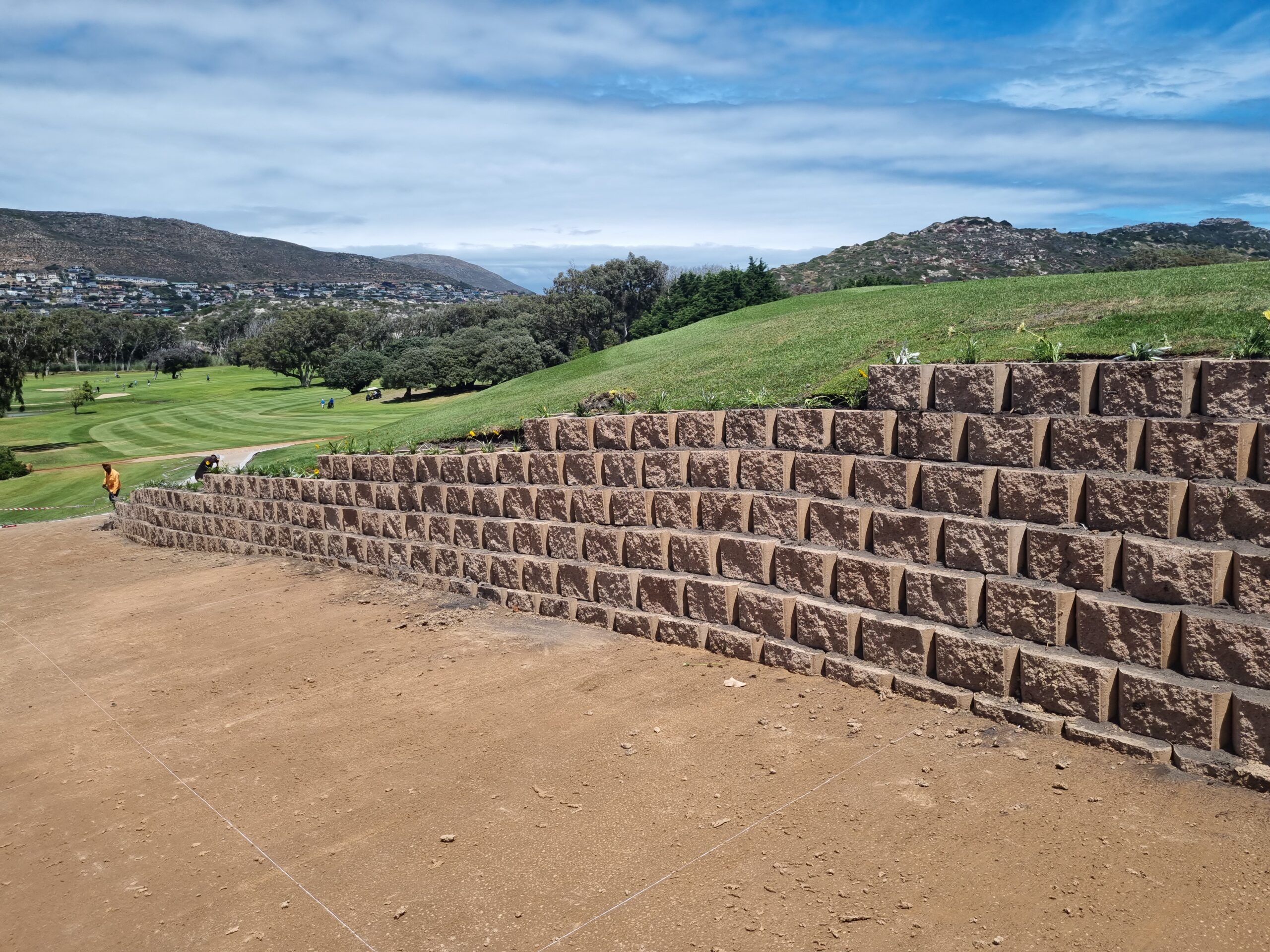
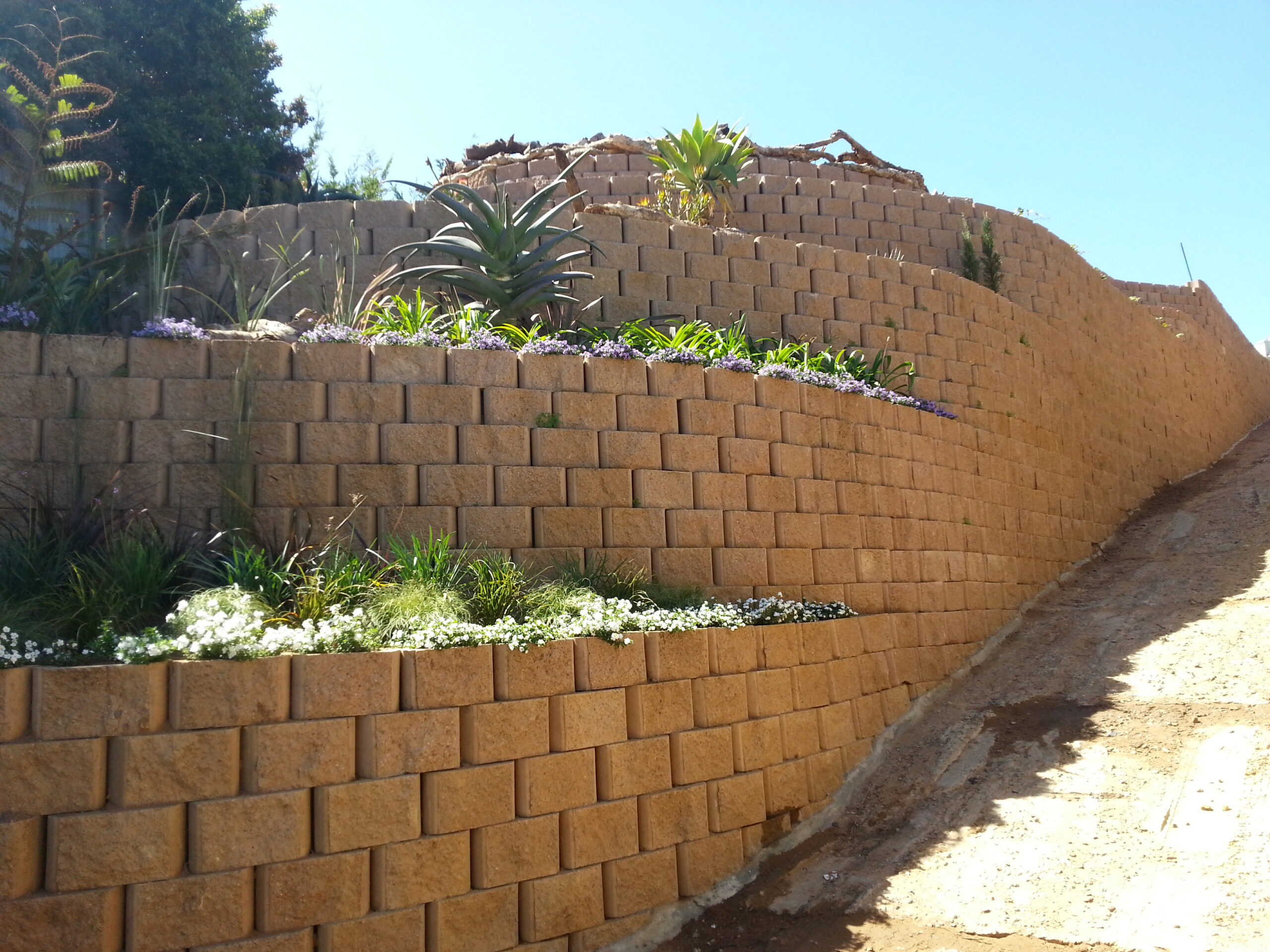
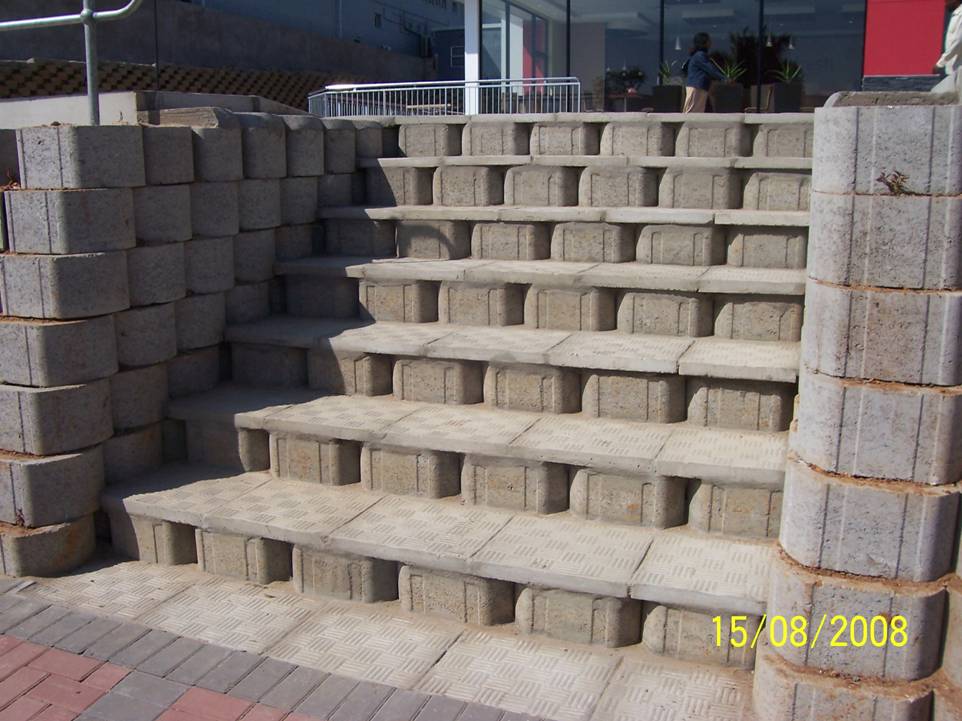
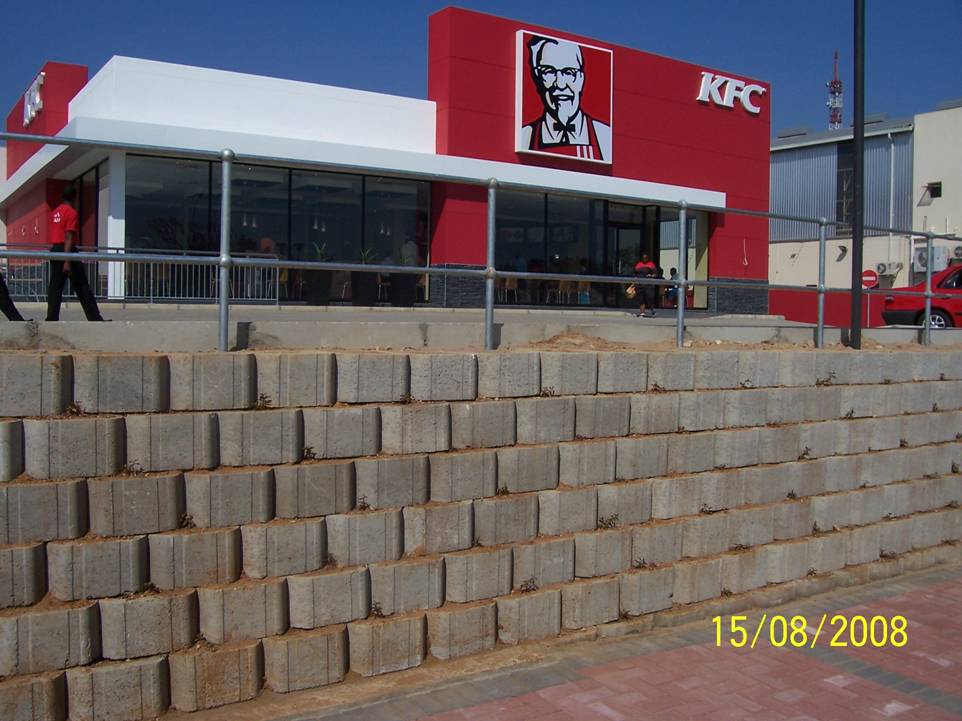


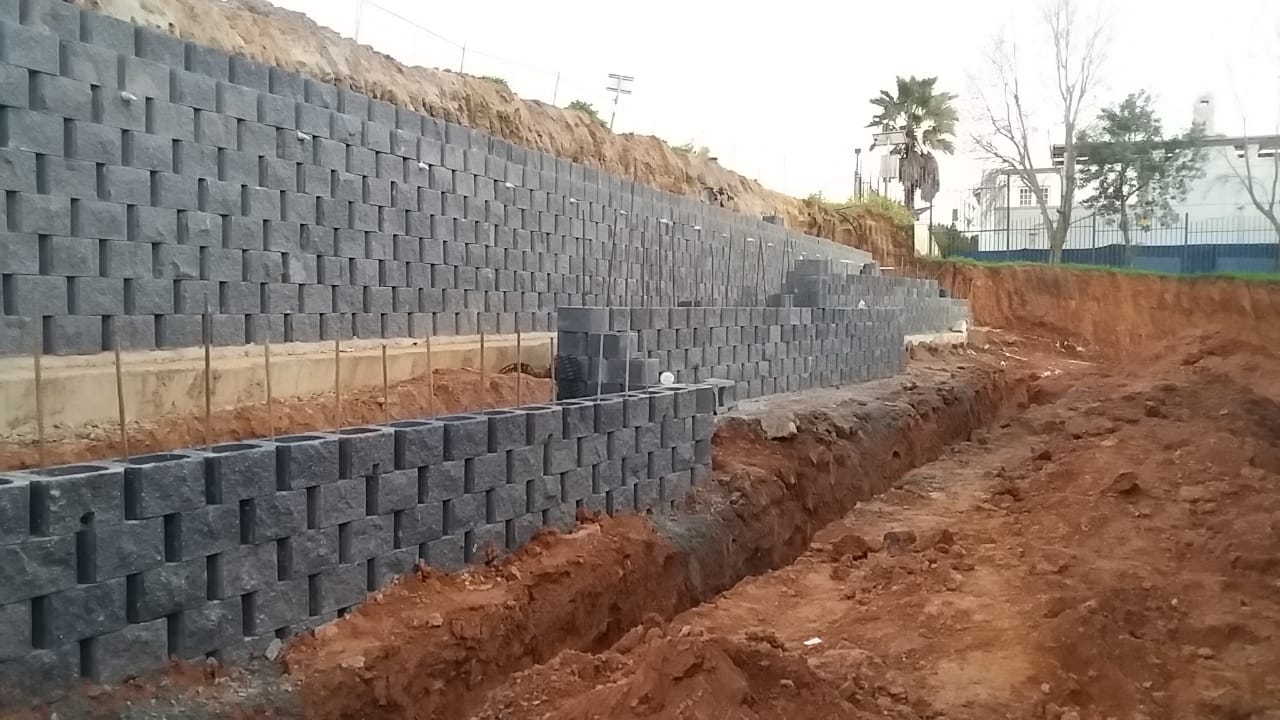

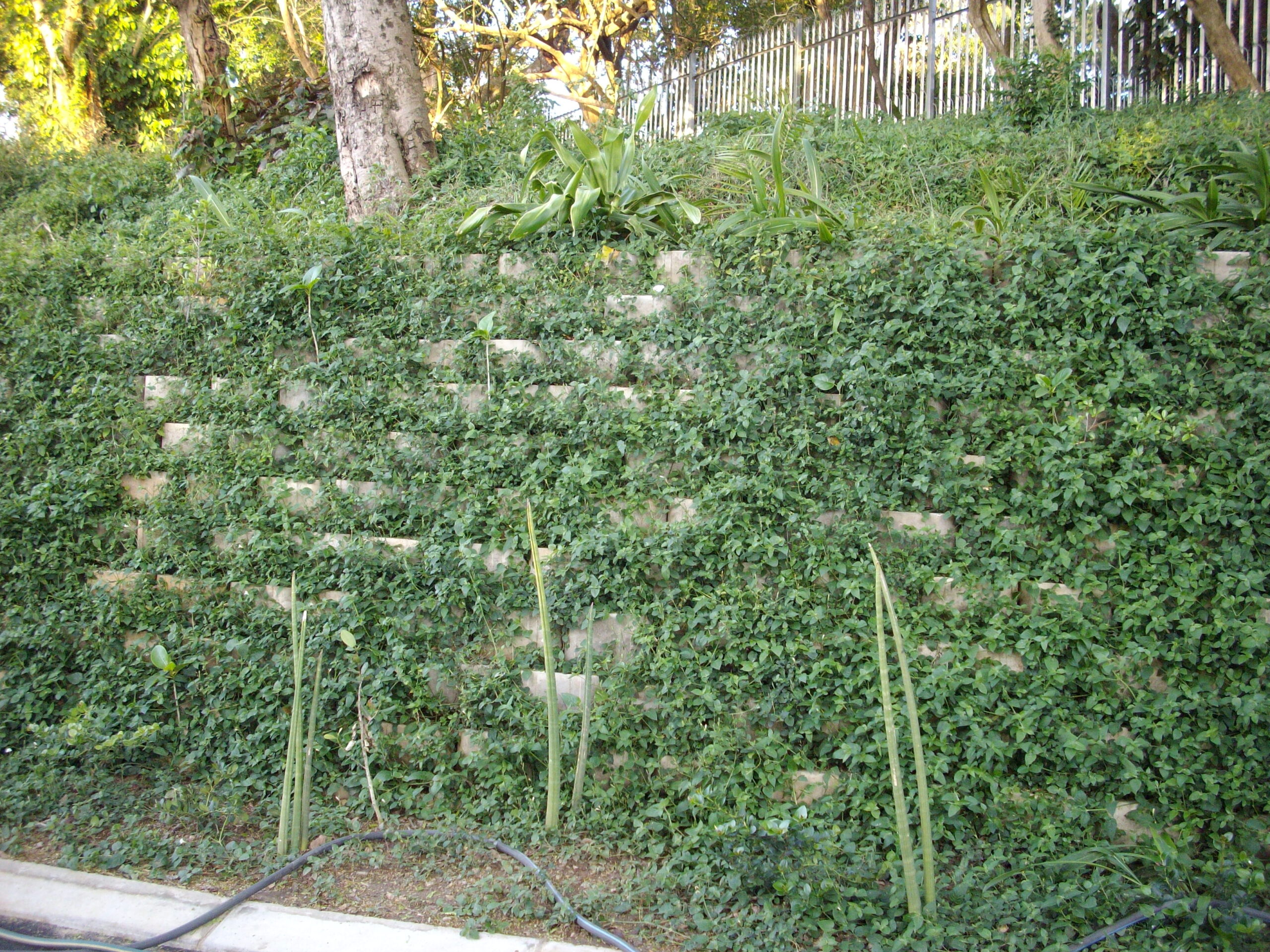
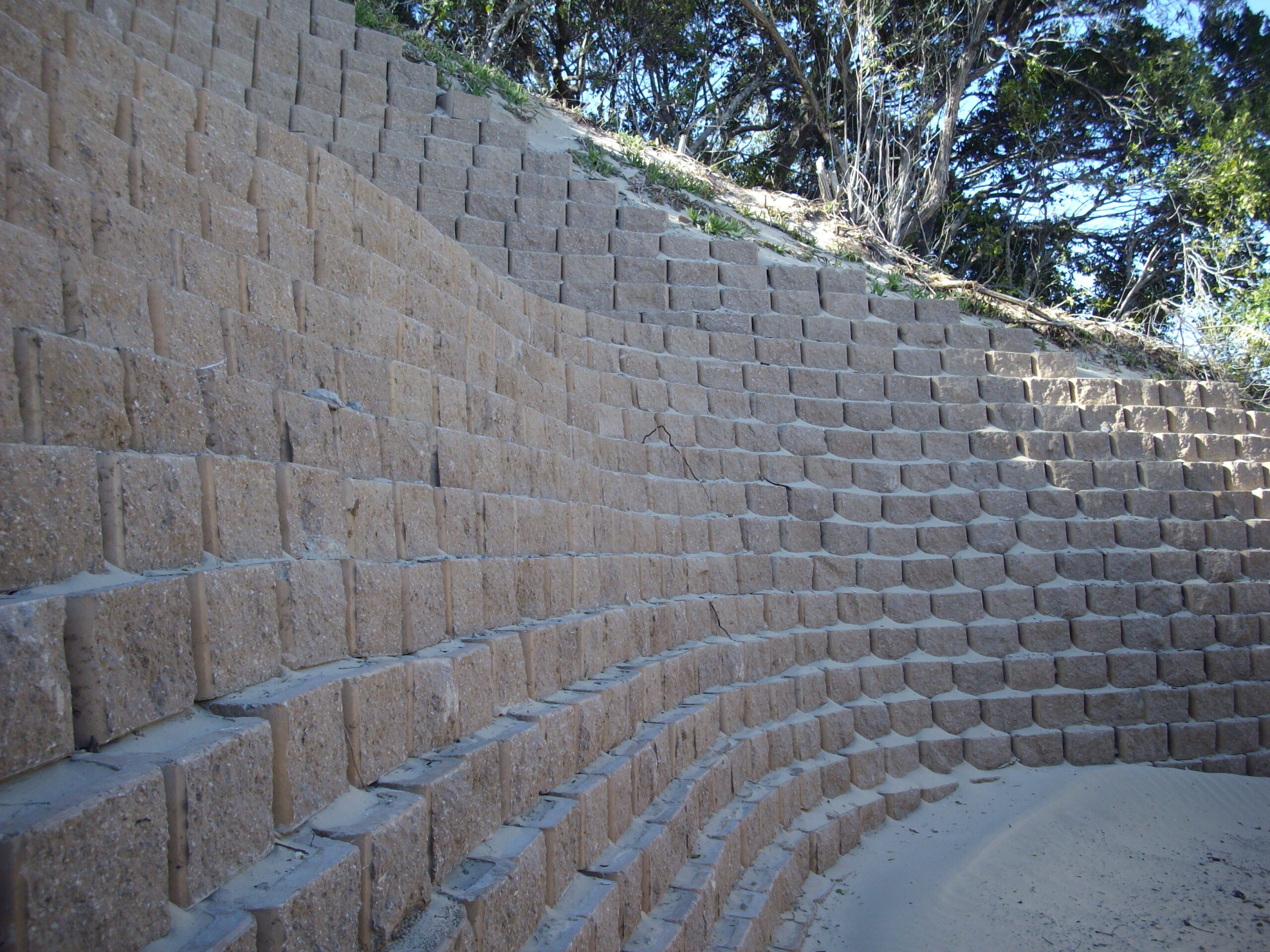

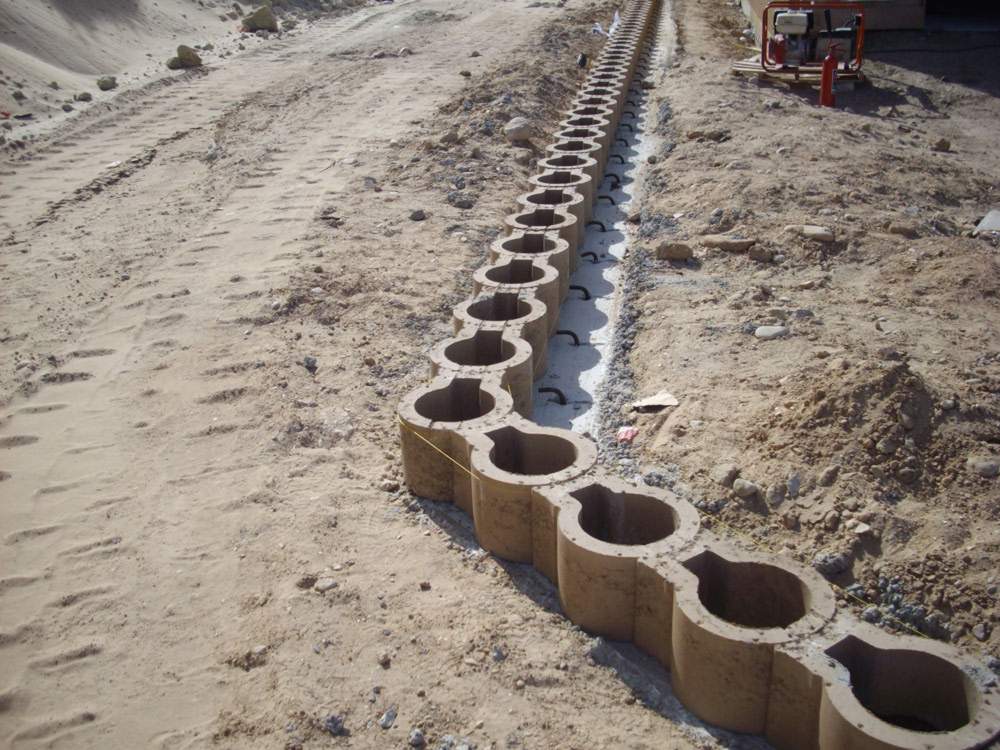
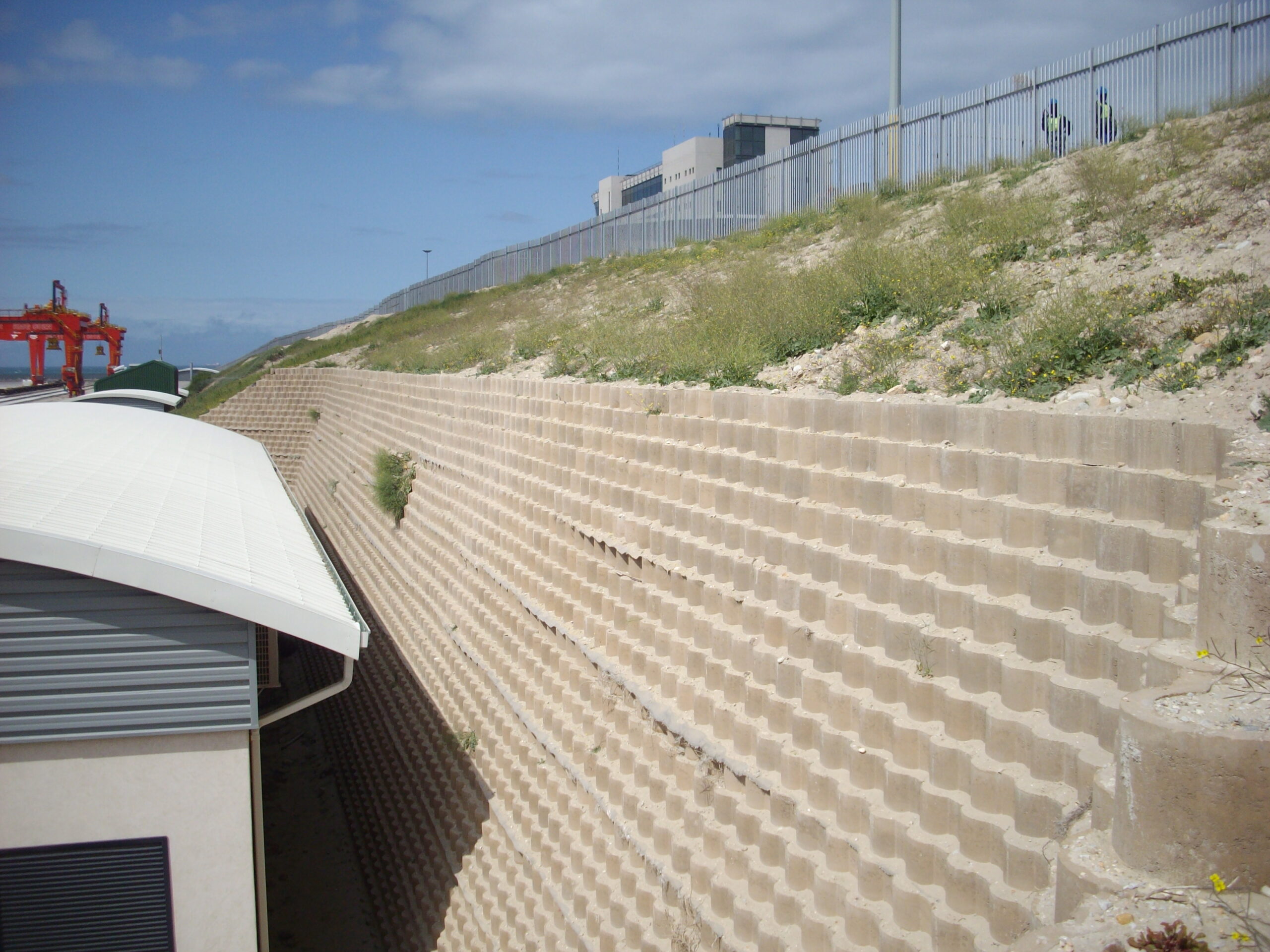
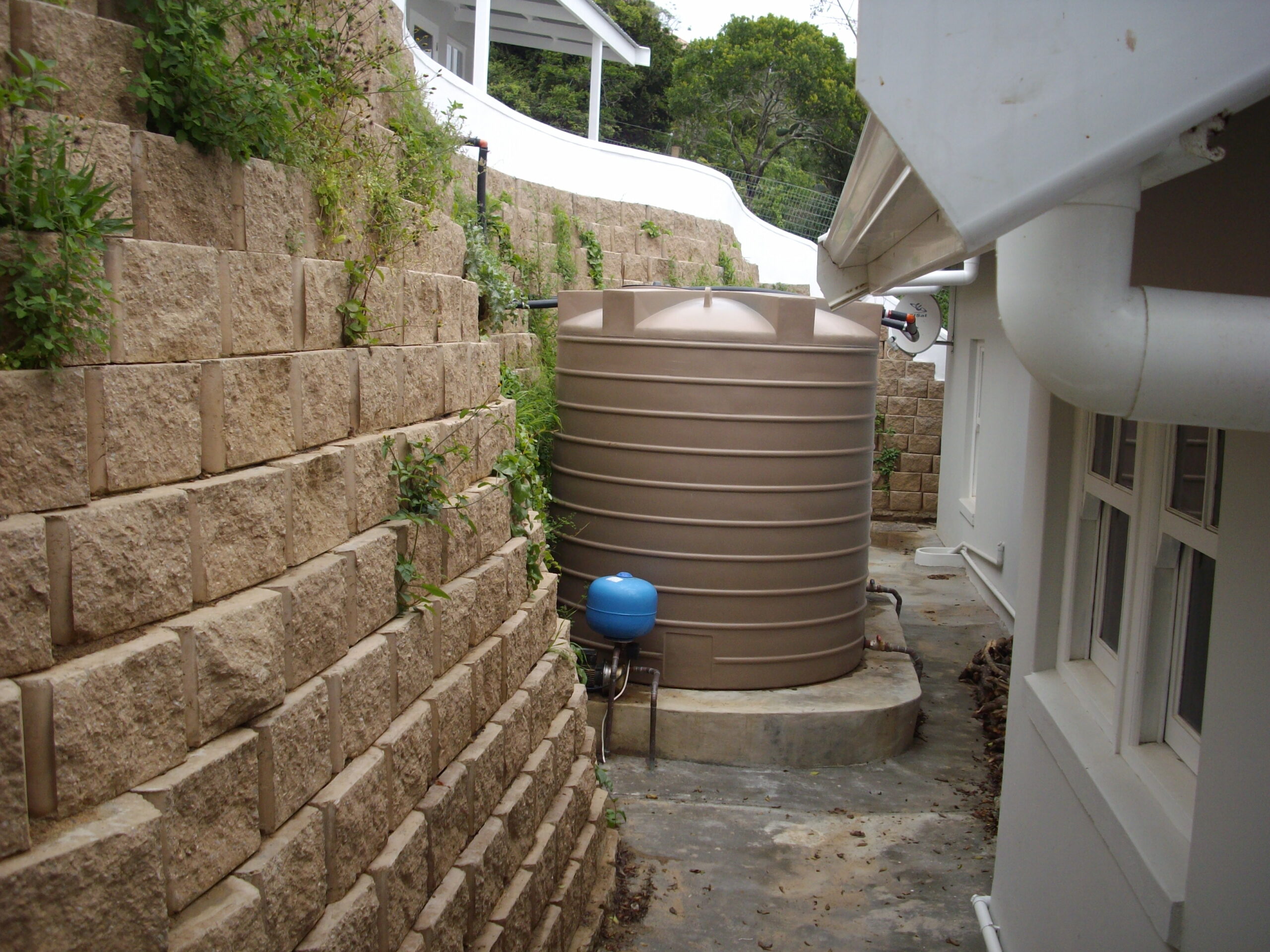


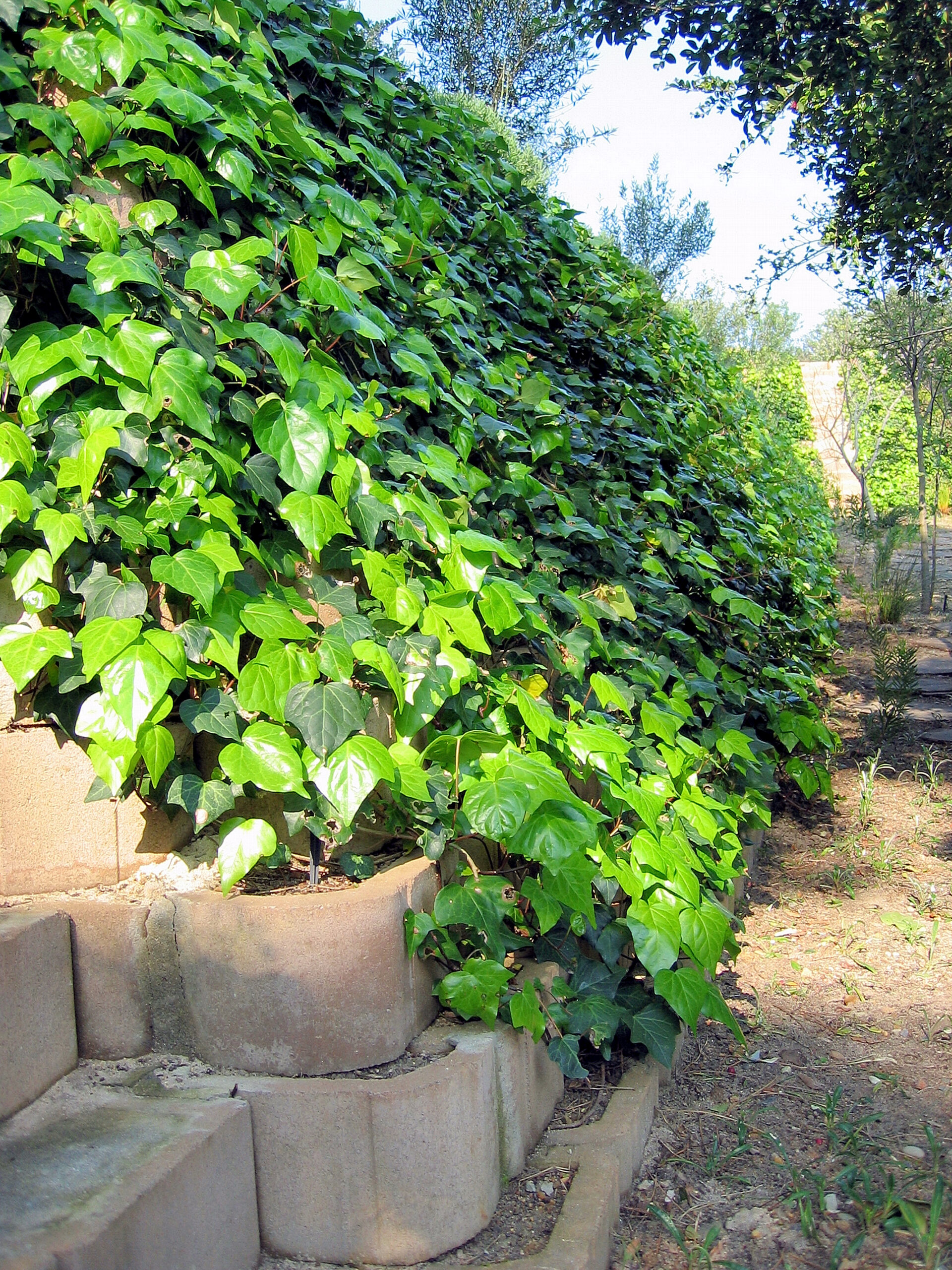

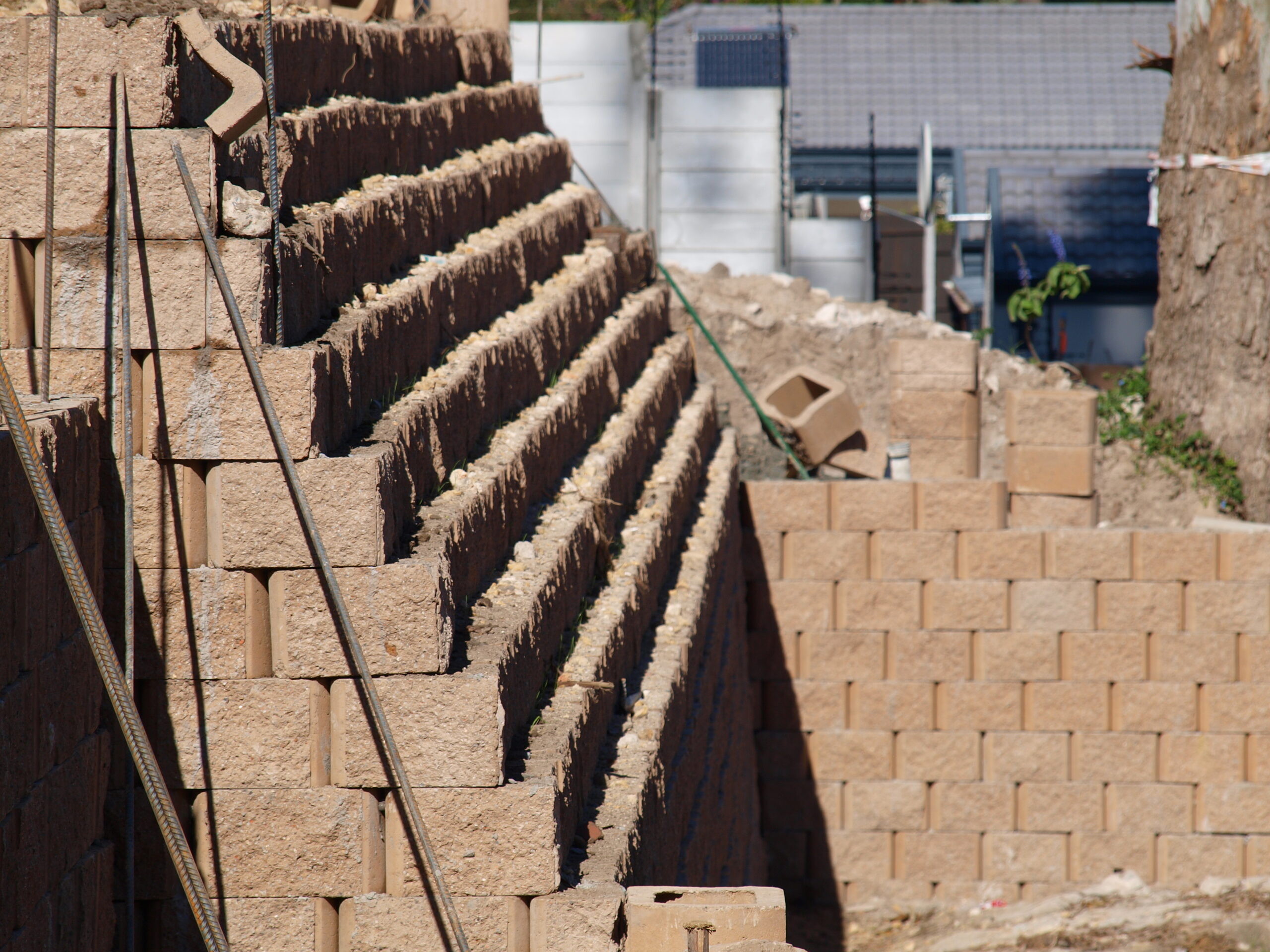


General Note
With the ever increasing developments in the residential, commercial and industrial sectors as well as maintaining and extending our Municipal and National road infrastructure, we need to address the Geophysical problems effectively and cost efficient. Soil erosion, water control management, soil retaining and stabilizing, become a vital and integrate part of any newly planned development throughout Southern Africa and the World.
Land loss, both inland and on our coastal shorelines, are a daily occurrence and need to be addressed diligently, effectively and economically, by utilizing as much as possible available local resources. The GreenLock range of products offer just that, an all-round and well engineered system, which is both cost efficient and through it’s innovative unique designs, a viable and easy to install soil stabilizing, soil erosion, soil retaining, storm water management solution as well as heavy duty drive on surface areas.
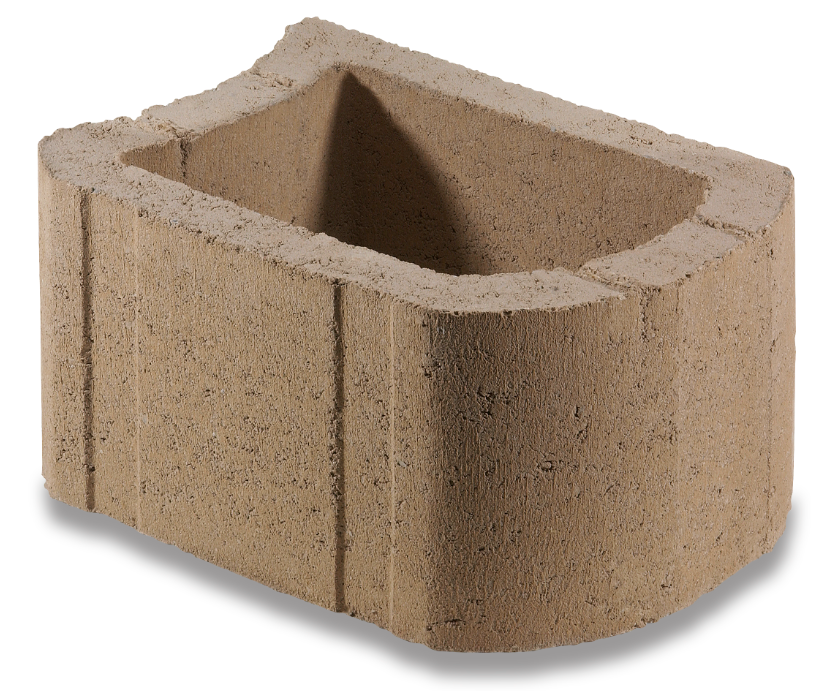
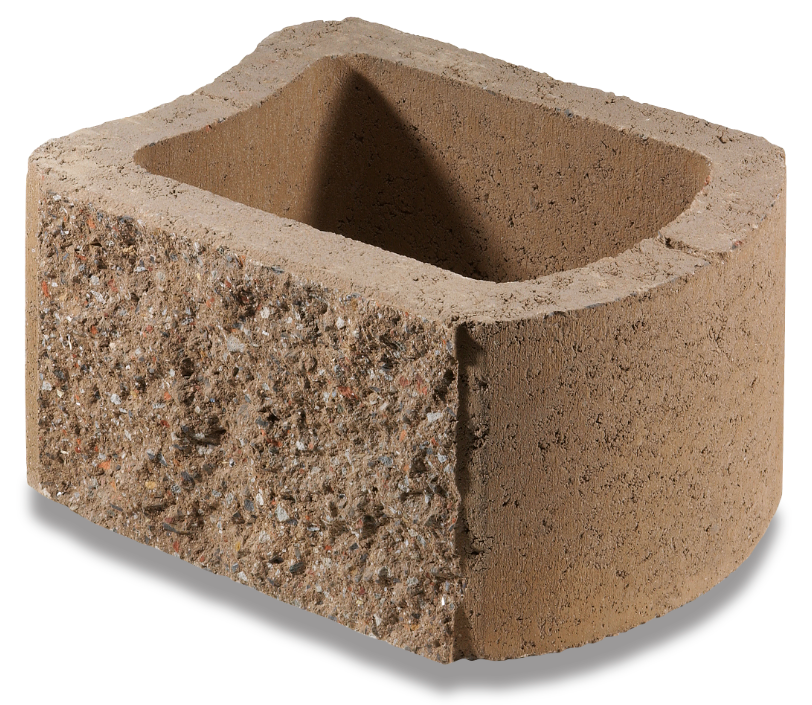
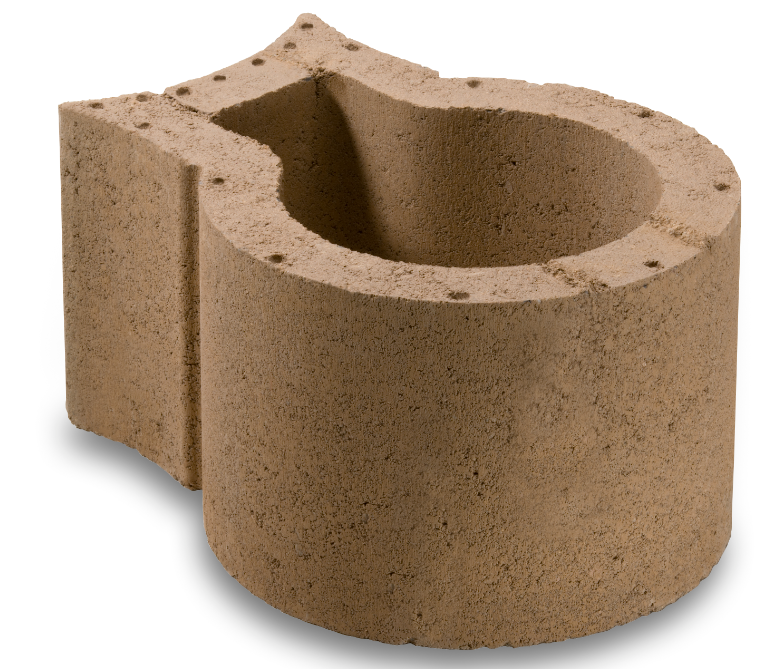
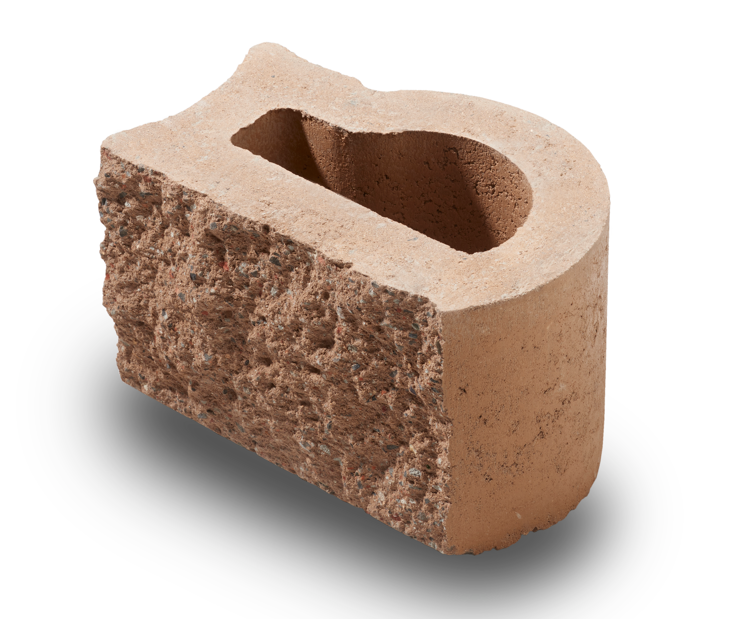
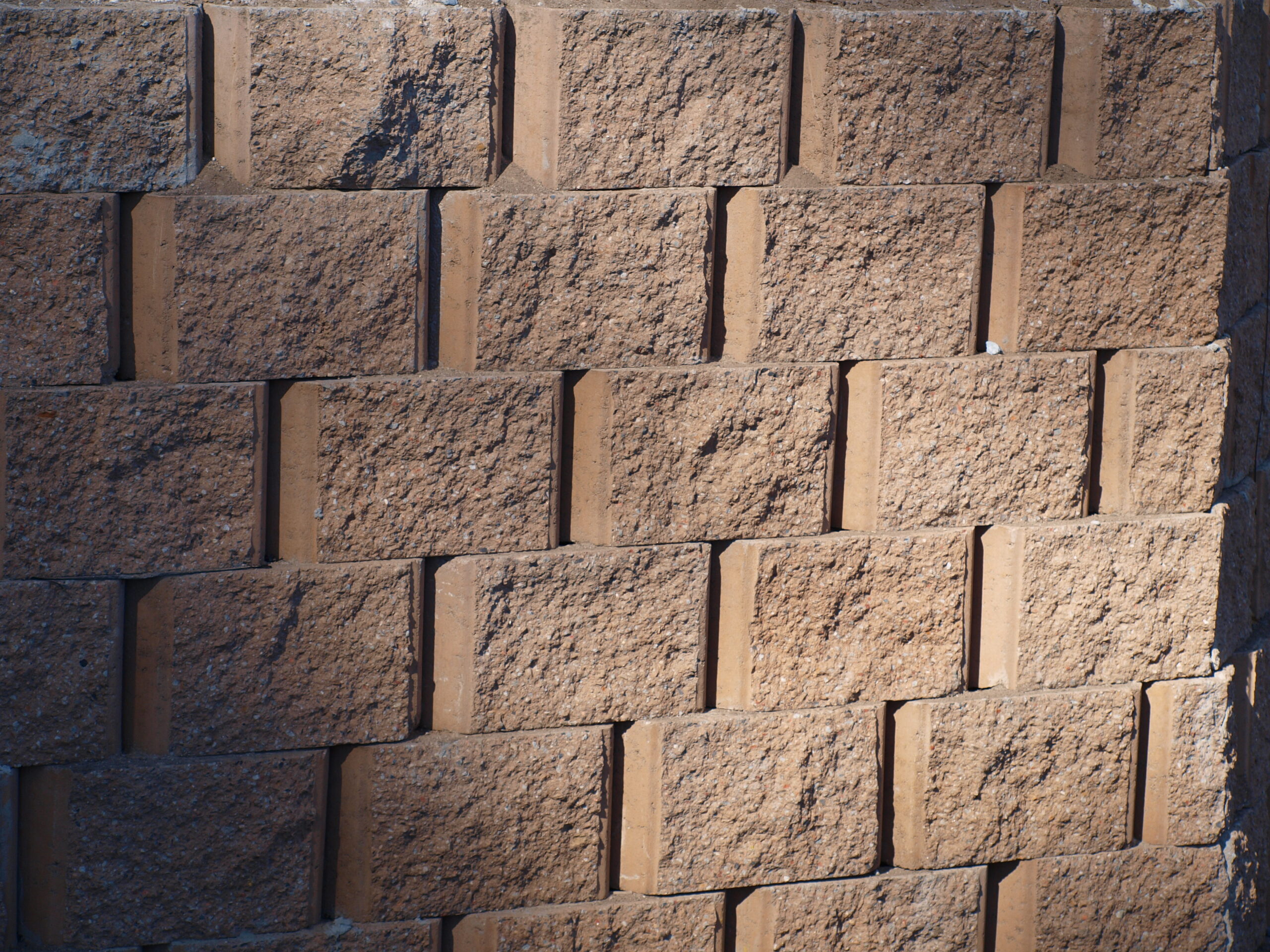
The GreenLock products are manufactured throughout South Africa and Namibia and tested in accordance to the SABS standards and consist of compressed concrete material utilizing top quality aggregates from local resources. The GreenLock range of products presently consists of : 6 types of retaining wall blocks, 1 Hardlawn Block and 1 Step/Seat Block :
– S12 Smooth face / R12 Rock face / V12 Versatile face / VR18 Rock & Smooth face / L9 and L7 lip block.
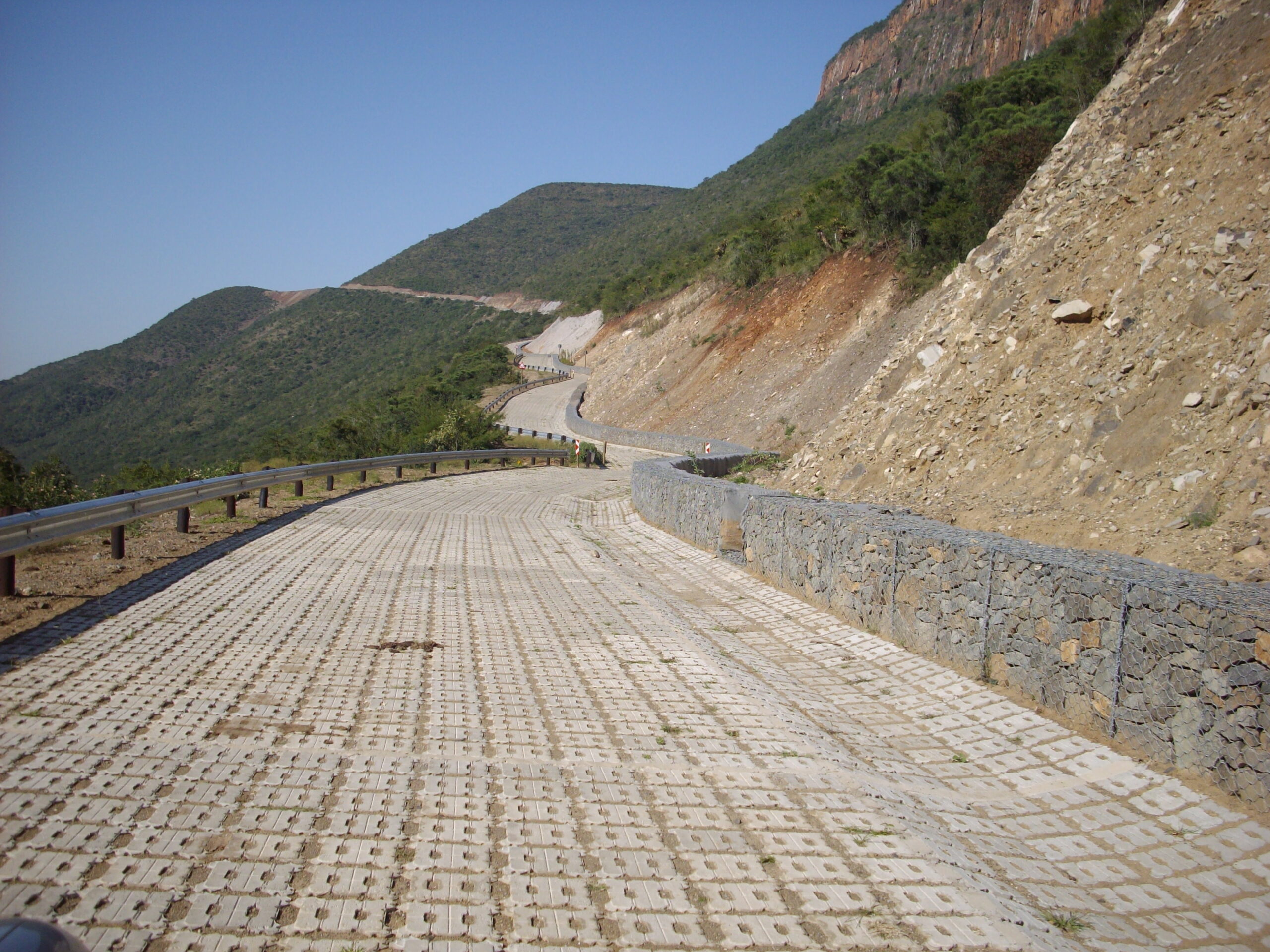
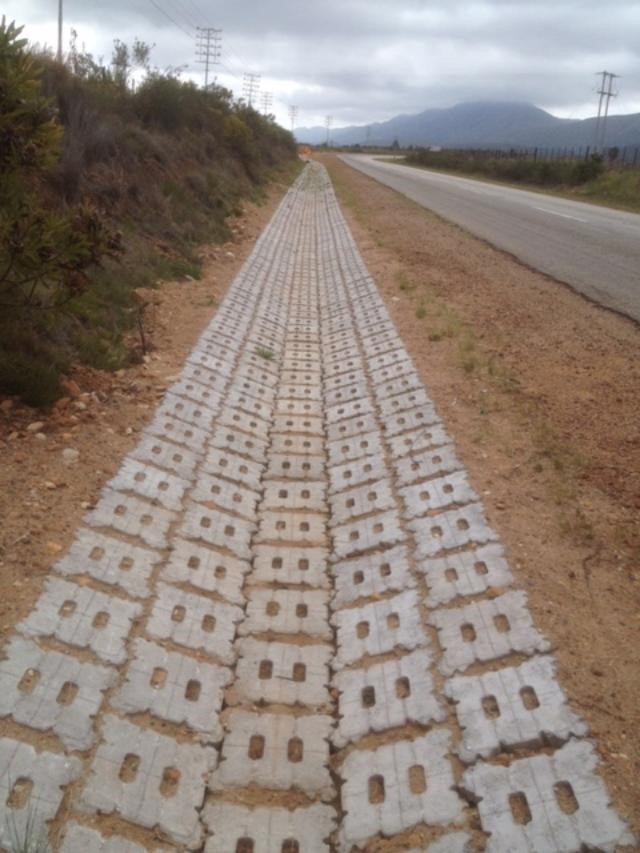
– 1 Hard Lawn/Storm Water Management Block, the G8 EarthLock
– 1 Step & Seat Block S22 for height adjustable steps for integrating steps into retaining walls and other specific areas.
The S22 is also suitable for durable outdoor seating
Retaining walls (what)
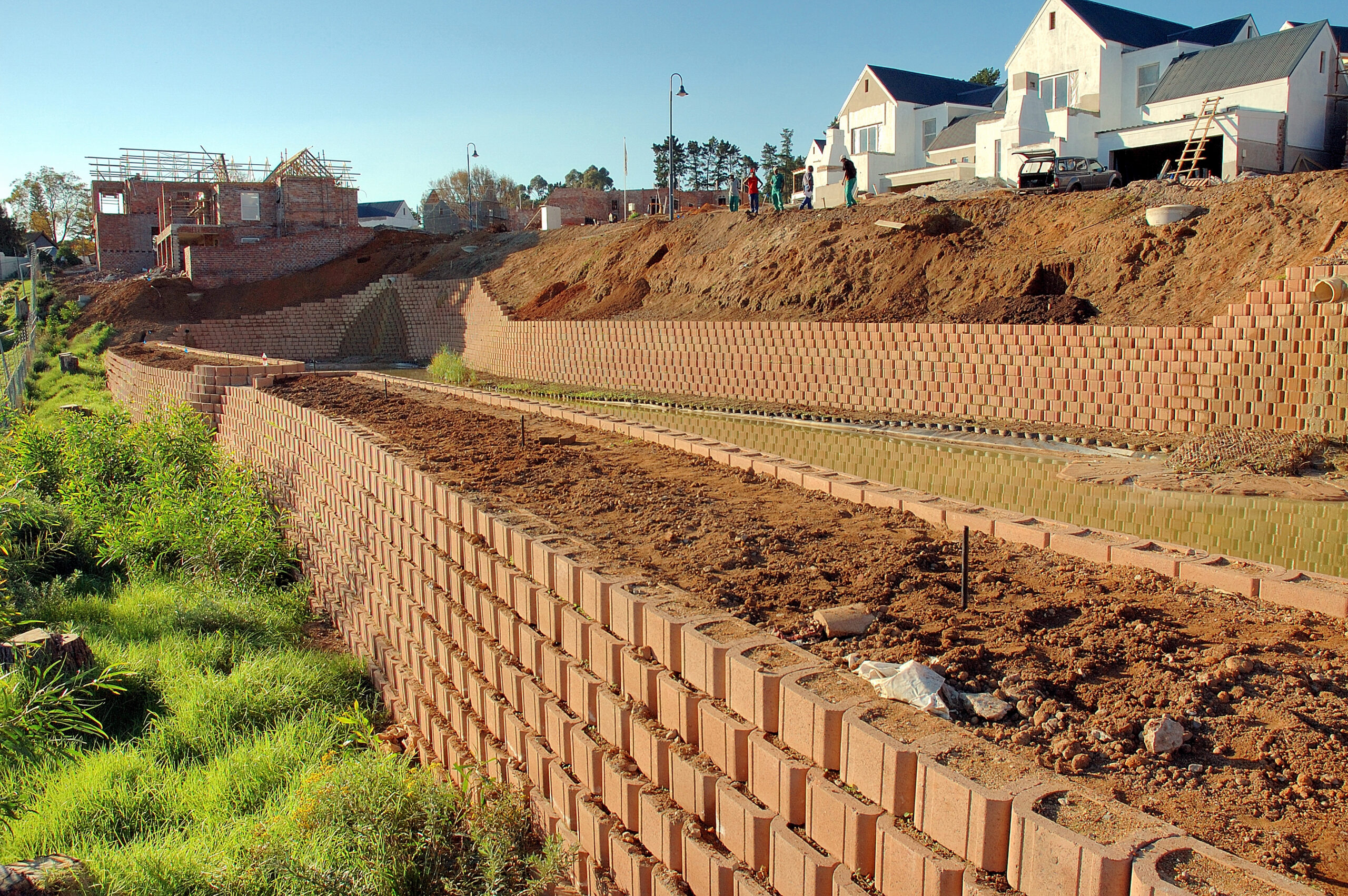
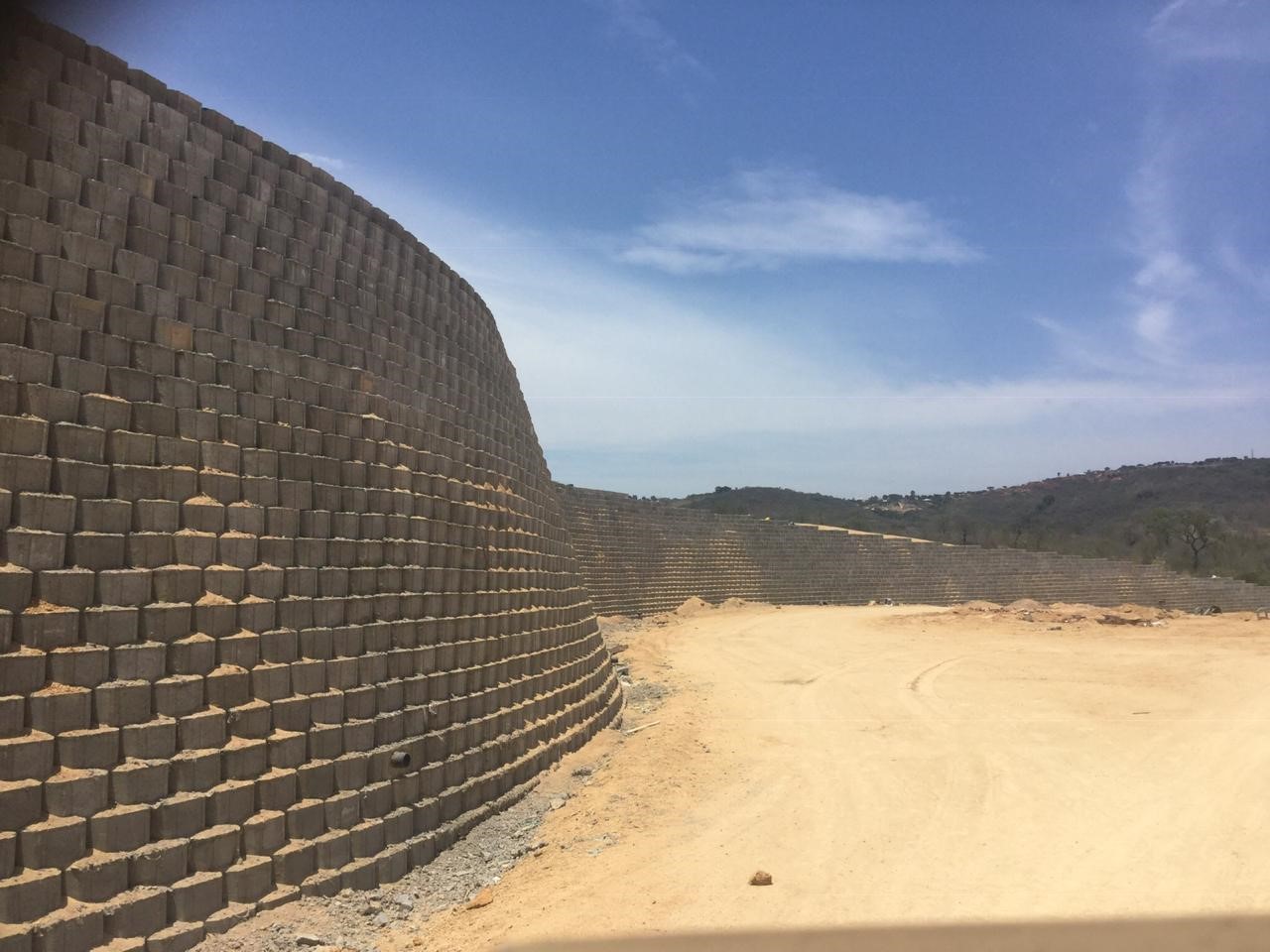
Retaining walls are structures designed to hold back soil, preventing it from sliding or eroding. They are commonly used in landscaping and civil engineering to manage slopes and create level areas on inclined terrain.
Why do we need retaining walls (why)
Retaining walls are essential structures in various applications due to their ability to stabilize soil and manage terrain effectively. Here are the primary reasons why retaining walls are needed:
1. Preventing Soil Erosion
Soil Stability: Retaining walls help to hold soil in place, preventing it from sliding down a slope due to gravity, water runoff, or wind.
Erosion Control: They are particularly important in areas prone to heavy rainfall or water flow, which can erode the soil and cause significant land degradation.
2. Managing Water Runoff
Controlled Drainage: Retaining walls can include drainage systems to manage water runoff effectively, reducing the risk of flooding and soil saturation behind the wall.
Preventing Water Accumulation: Properly designed retaining walls prevent water from accumulating behind the wall, which can lead to increased pressure and potential wall failure.
3. Creating Usable Space
Terracing: Retaining walls can transform steep, unusable slopes into functional flat areas for gardening, patios, or additional yard space.
Building Support: They provide structural support for creating leveled areas for buildings, roads, and other infrastructures on sloped terrain.
4. Enhancing Aesthetics
Landscape Design: Retaining walls can add visual interest and appeal to landscapes, creating terraces, garden beds, and multi-level designs that enhance the beauty of a property.
Property Value: A well-designed retaining wall can increase the aesthetic and functional value of a property.
5. Safety and Stability
Slope Stabilization: Retaining walls help stabilize slopes that might otherwise collapse, posing a danger to structures, roads, and people.
Landslide Prevention: In areas prone to landslides, retaining walls provide essential support to prevent soil and rock movement.
6. Infrastructure Support
Road and Highway Construction: Retaining walls support roads and highways built on hilly terrain by preventing the roadway from shifting or collapsing.
Urban Development: They allow for the development of infrastructure in urban areas with challenging topography, enabling the construction of buildings, parking lots, and other facilities.
7. Environmental Protection
Ecosystem Preservation: By preventing soil erosion and managing water runoff, retaining walls help protect local ecosystems from degradation.
Sustainable Practices: Properly constructed retaining walls can support sustainable land management practices, reducing the impact on natural resources.
8. Agricultural Benefits
Terrace Farming: Retaining walls are used in agriculture to create terraced fields on slopes, allowing for more efficient water use and preventing soil erosion.
Improved Crop Yield: By stabilizing the soil and creating level planting areas, retaining walls can enhance agricultural productivity.
How do retaining walls work
Retaining walls are designed to restrain soil, or engineering fill, at an angle steeper than the material’s angle of repose – the steepest angle it can hold naturally, without failing. To do this, they need to be able to withstand the horizontal – or lateral – earth pressure, exerted by the material being retained.
Lateral earth pressure is dependent on the vertical stress imposed by the material behind the wall, which is a function of the height of the backfill and its density. It follows then, that the greatest lateral earth pressure is exerted at the base of the wall, because the deeper the backfill, the higher the vertical stress.